From Sketch to Store: Designing Products That Sell
Foundational work in visual design, systems thinking, and production at scale
INDUSTRY
Retail: Spartina 449
Role
Product Designer, Soft Goods
Team
Internal Product Team, Overseas Manufacturers
Tools
Adobe Illustrator Adobe Photoshop Adobe Indesign
Contributions
Tech Packs
ENVIRONMENT
In-house design team
Overview
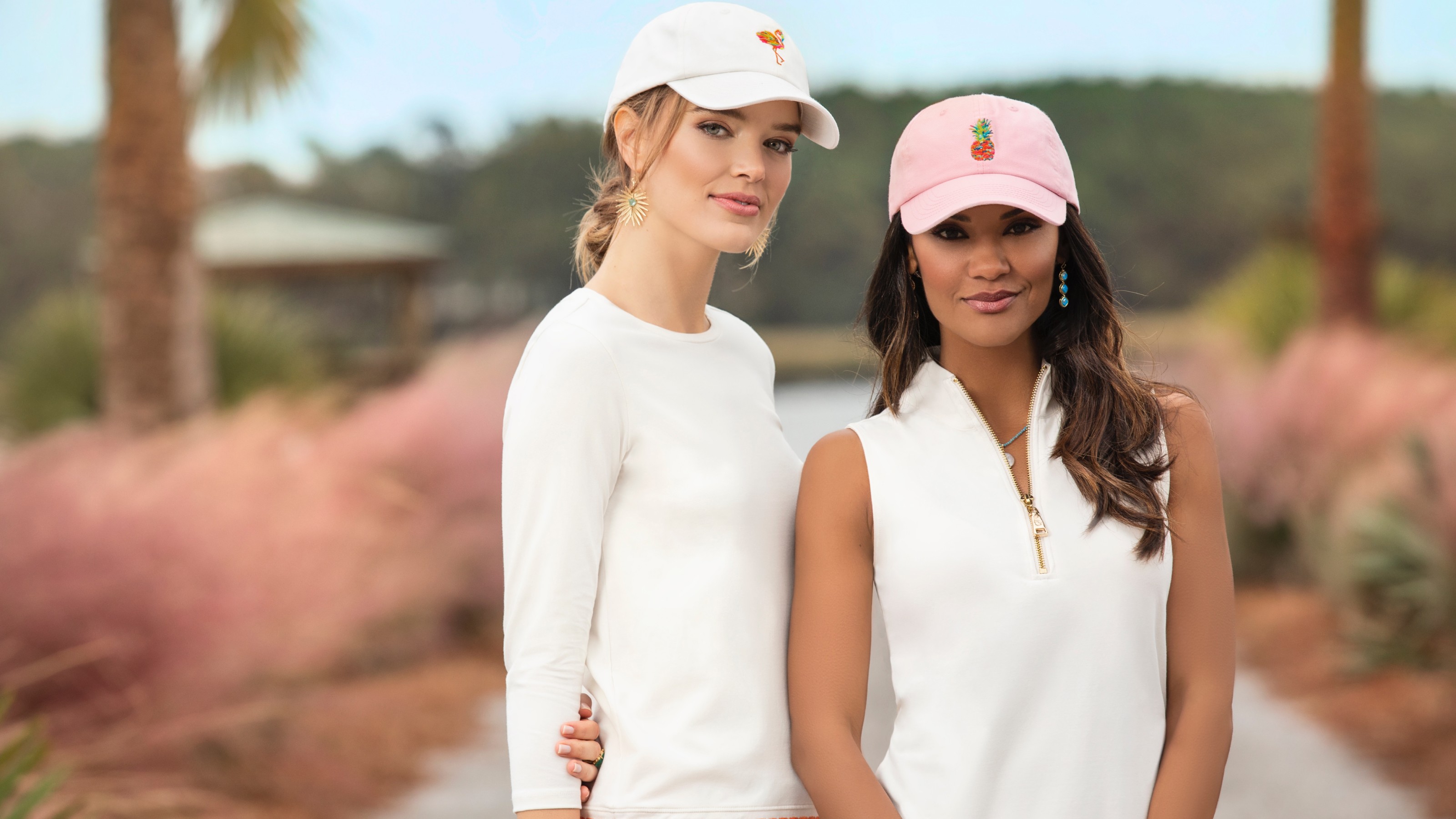
Spartina 449 is a lifestyle brand known for coastal-inspired women’s accessories, handbags, and sporting goods sold in retail stores across the United States. In 2019, I joined the product development team to work across the full soft goods design lifecycle, from seasonal concept through final production. The work required equal parts creative instinct and operational discipline. Every design had to be trend-forward enough to attract customers, manufacturable enough to produce at scale, and true enough to the brand’s identity to sit coherently in the product range. Over 50 of my designs were launched and are currently sold in retail stores nationwide.
Goal
Design commercially viable, trend-forward soft goods products that aligned with the Spartina 449 brand identity, could be manufactured at scale by overseas suppliers, and resonated with the brand’s target customer in a competitive retail environment.
A Creative Brief With Hard Edges
Product design at a consumer brand sounds freeing. In practice, it is one of the most constrained design environments there is. Every concept had to clear a high bar before it could become a product: Was it on-trend? Was it on-brand? Could it be manufactured within material and cost constraints? Would it sell?
Miss any one of those, and the design didn’t move forward. A concept that customers loved but couldn’t be manufactured cost-effectively was a dead end. A product that was manufacturable but missed the seasonal trend window was a liability. Getting all four right, consistently, across dozens of products per season, was the actual challenge.
The added complexity was the supply chain. Communicating design intent clearly enough to overseas manufacturers, across language barriers and without the ability to be physically present, meant that a single ambiguous specification could result in a prototype that bore little resemblance to the original design.
Every Season Started With The Customer, Not The Sketch
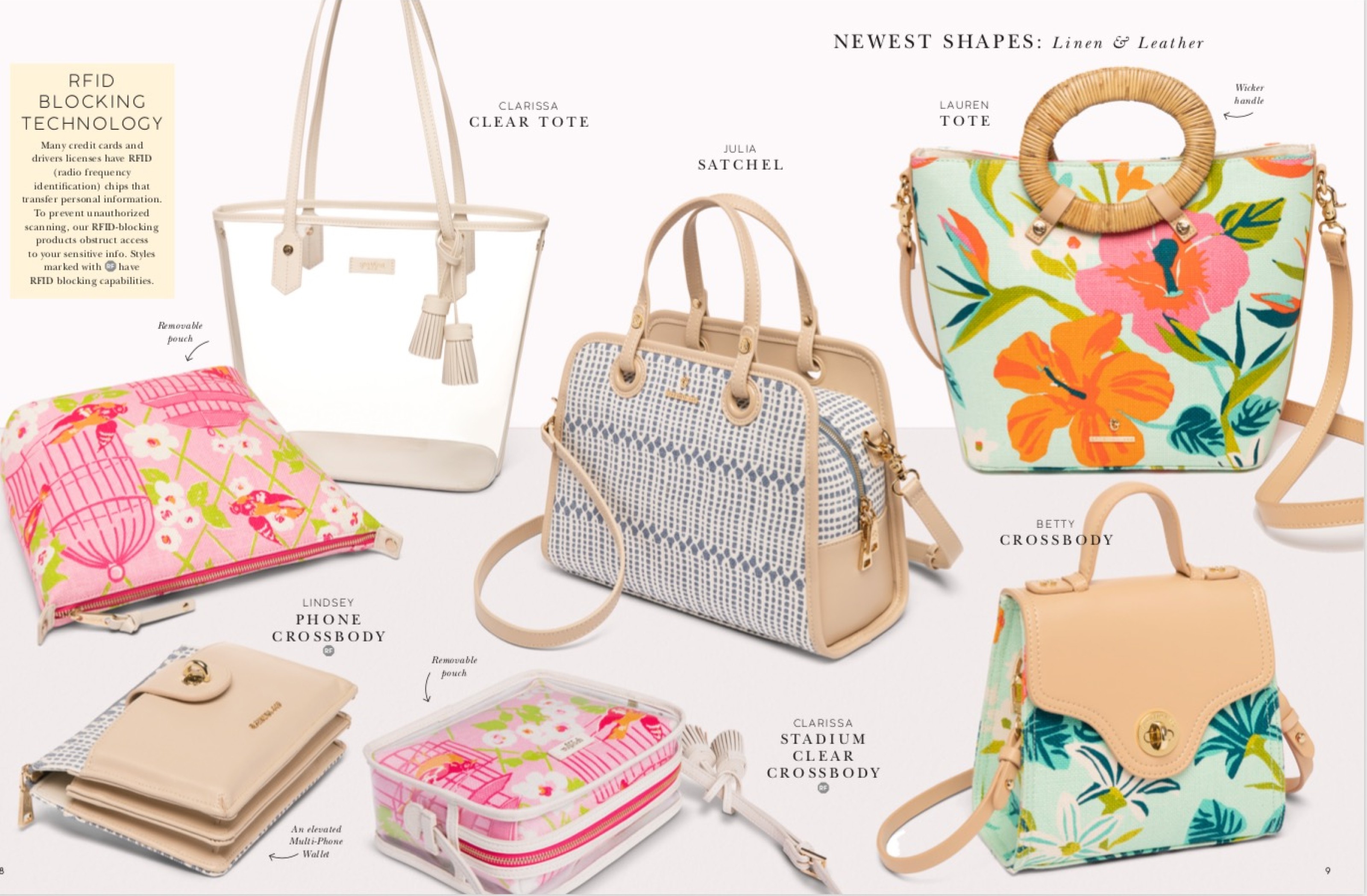
Before any concept work began, each season opened with a structured research phase. Trend forecasting, customer research, and a close review of past sales data were the foundation. The goal was to understand not just what was fashionable, but what the Spartina 449 customer was actually buying, what was sitting on shelves, and where genuine gaps existed in the product range. This research phase shaped everything that followed. A design that felt creatively exciting but didn’t connect to what customers were actively seeking was a risk the brand couldn’t absorb at scale.
What The Research Revealed
Each season’s research surfaced patterns that directed the design work:
FINDING 1: TREND ALIGNMENT IS TIME-SENSITIVE
Seasonal trends had a narrow window. Identifying the right direction early, before the concept phase, was the difference between a product that felt current on shelf and one that arrived a season too late.
FINDING 2: PAST SALES DATA WAS THE MOST HONEST BRIEF
What customers had already bought told a clearer story than any trend report. Strong sellers informed material choices, silhouettes, and colour directions for the next season’s range.
FINDING 3: GAPS IN THE RANGE WERE OPPORTUNITIES
Reviewing the existing product line against customer demand regularly revealed underserved categories. Tennis and golf accessories, in particular, had room for designs that combined function with the brand’s coastal aesthetic.
Creativity Within Constraints Is Still Creativity
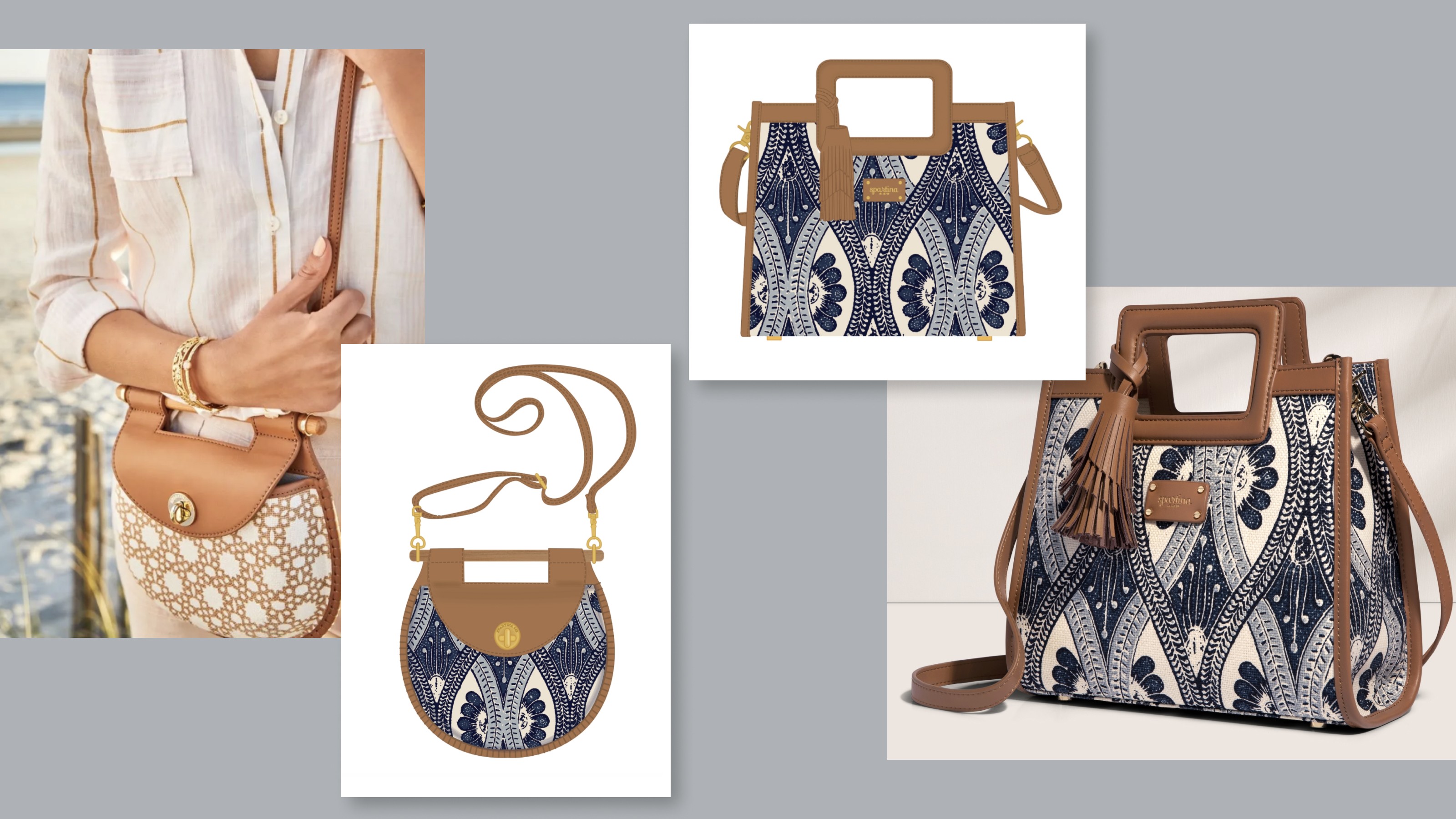
The framing for each season’s work came down to a single question: what does this customer want that she can’t find yet, that we can make, at a price she’ll pay? Every design concept was an attempt to answer that question. Working within the Spartina 449 brand meant the aesthetic language was established. The coastal identity, the colour palette, the customer’s lifestyle context were all fixed points. The opportunity was to find what was new within those parameters: a silhouette that hadn’t been done, a material combination that felt fresh, a functional detail that elevated a category.
Three priorities shaped the design direction each season:
Brand coherence: every new design had to feel unmistakably Spartina 449
Customer relevance: trend-forward, but anchored in what the target customer actually responds to
Manufacturability: conceived with production realities in mind from the first sketch
Concept Through Hand Sketching And Illustrator
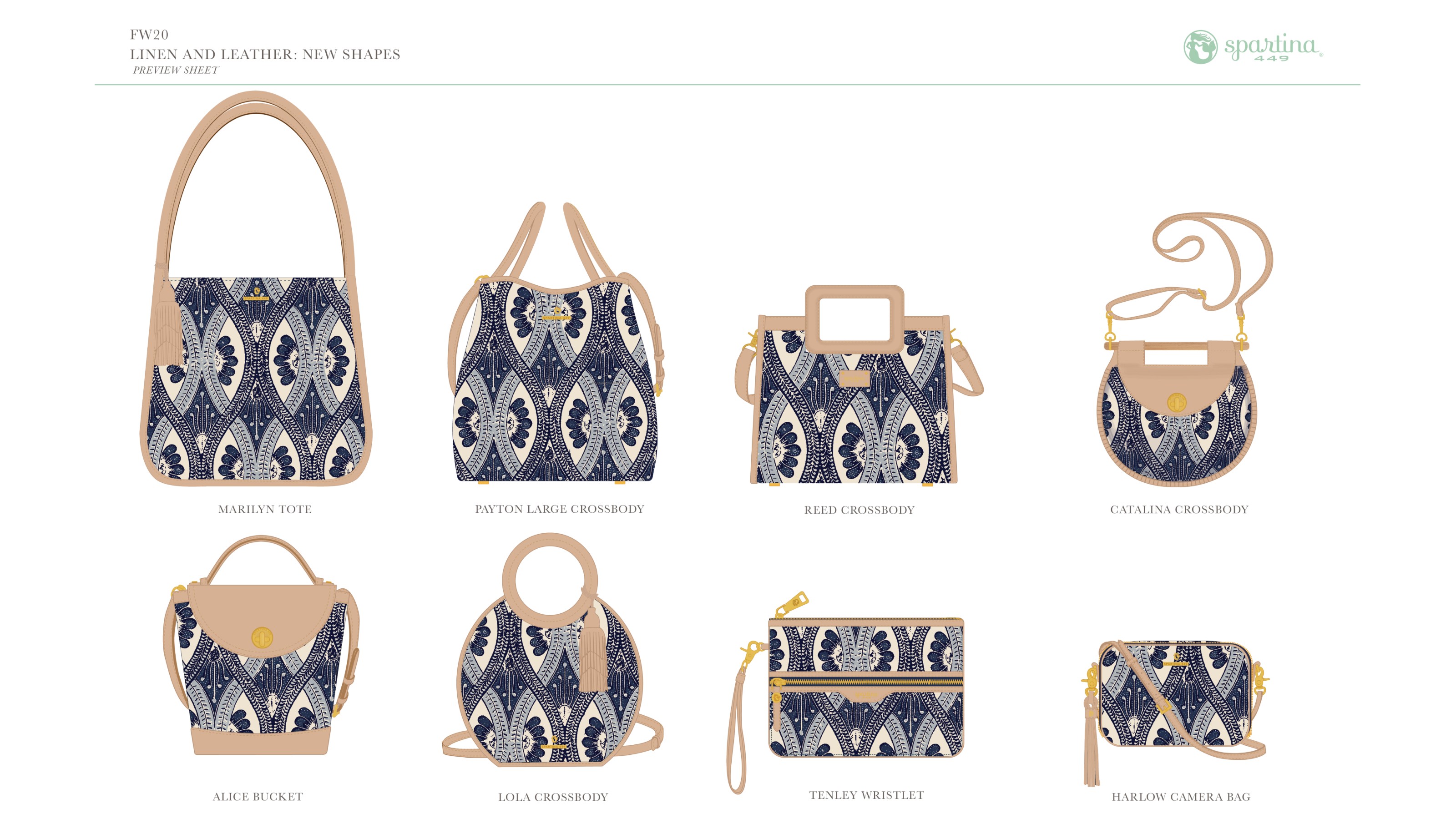
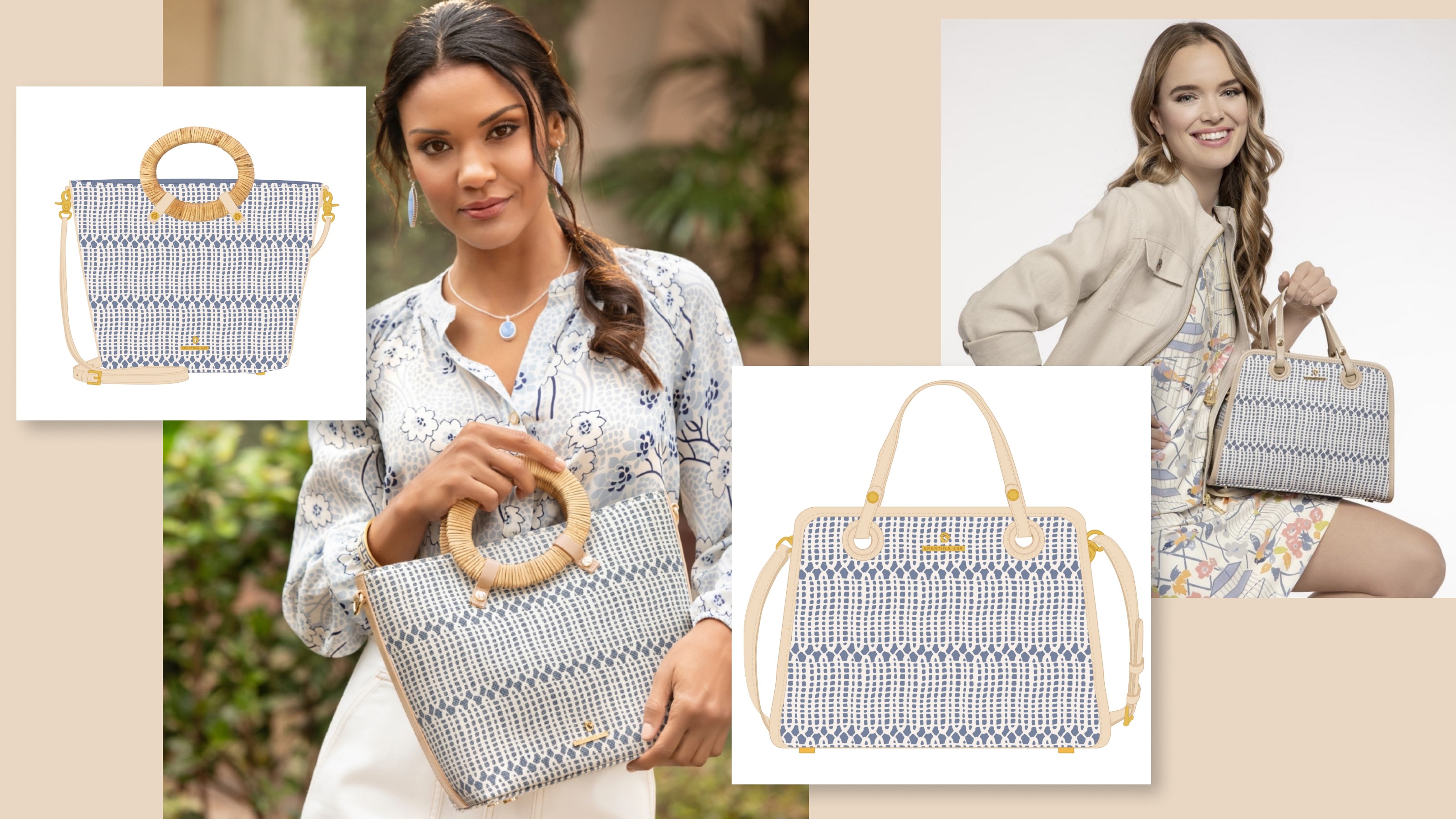
Initial concepts were explored through hand sketches, working quickly to test form, proportion, and detail before committing to anything. The best directions moved into Adobe Illustrator for more refined 2D development, where material choices, colorways, and brand details could be worked out in full. This phase also served as an early filter for production viability, surfacing potential manufacturing complications before they became expensive problems.
Technical packages for overseas production
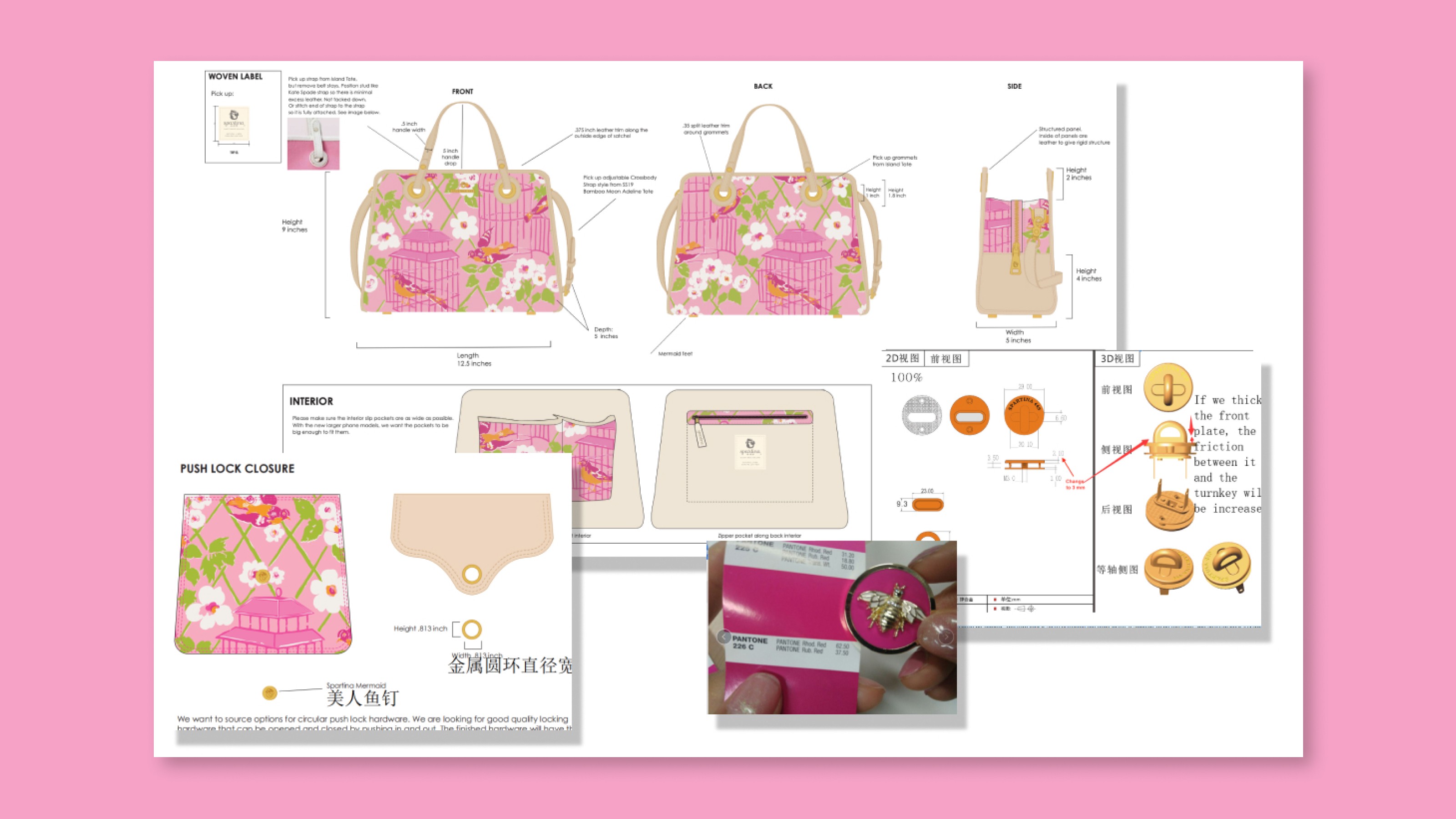
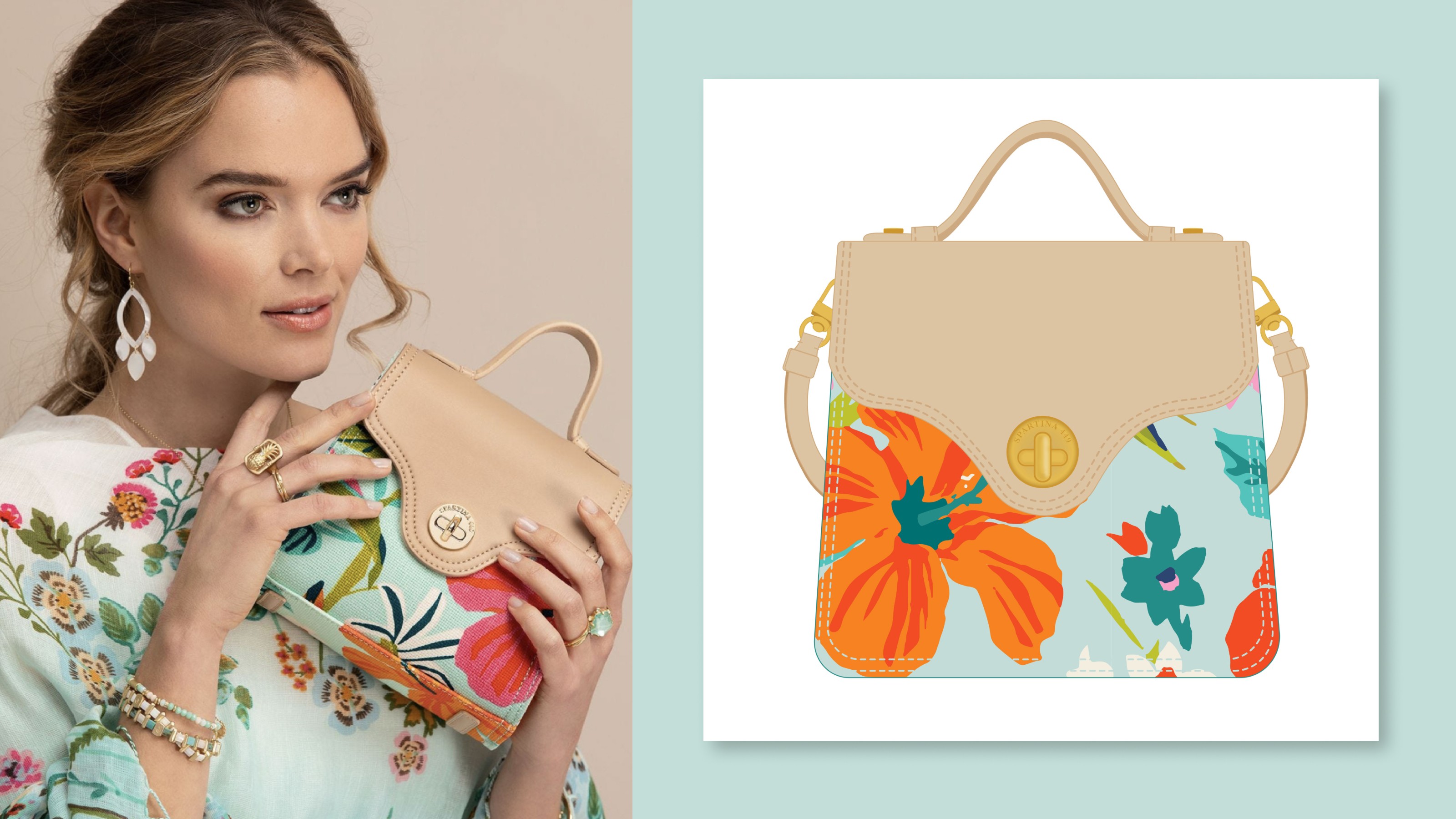
Every approved design was translated into a detailed technical package in Adobe Illustrator. These included precise technical drawings, full colorway specifications, branding placement, artwork files, and measurements accurate enough for a manufacturer on the other side of the world to produce the product correctly without a phone call to clarify.
The quality of these packages directly affected the quality of what came back. A well-constructed tech pack reduced revision cycles, avoided costly errors, and kept production on schedule. A vague one did the opposite.
Prototype Iteration
Prototypes rarely came back perfect. Each review was an opportunity to catch problems before they reached production: a seam that would wear poorly, a closure that didn’t sit right, a material that read differently in person than it had on screen. Iteration was expected and built into the timeline. The discipline was knowing which changes were worth making late in the process and which represented scope creep that would compromise the seasonal window.
Over 50 Designs On Shelves Across The Country
The commercial outcomes of this work were direct and measurable. Designs moved from concept to retail, and the ones that connected with customers did so in ways that were visible in the sales data.
50+ DESIGNS LAUNCHED NATIONWIDE
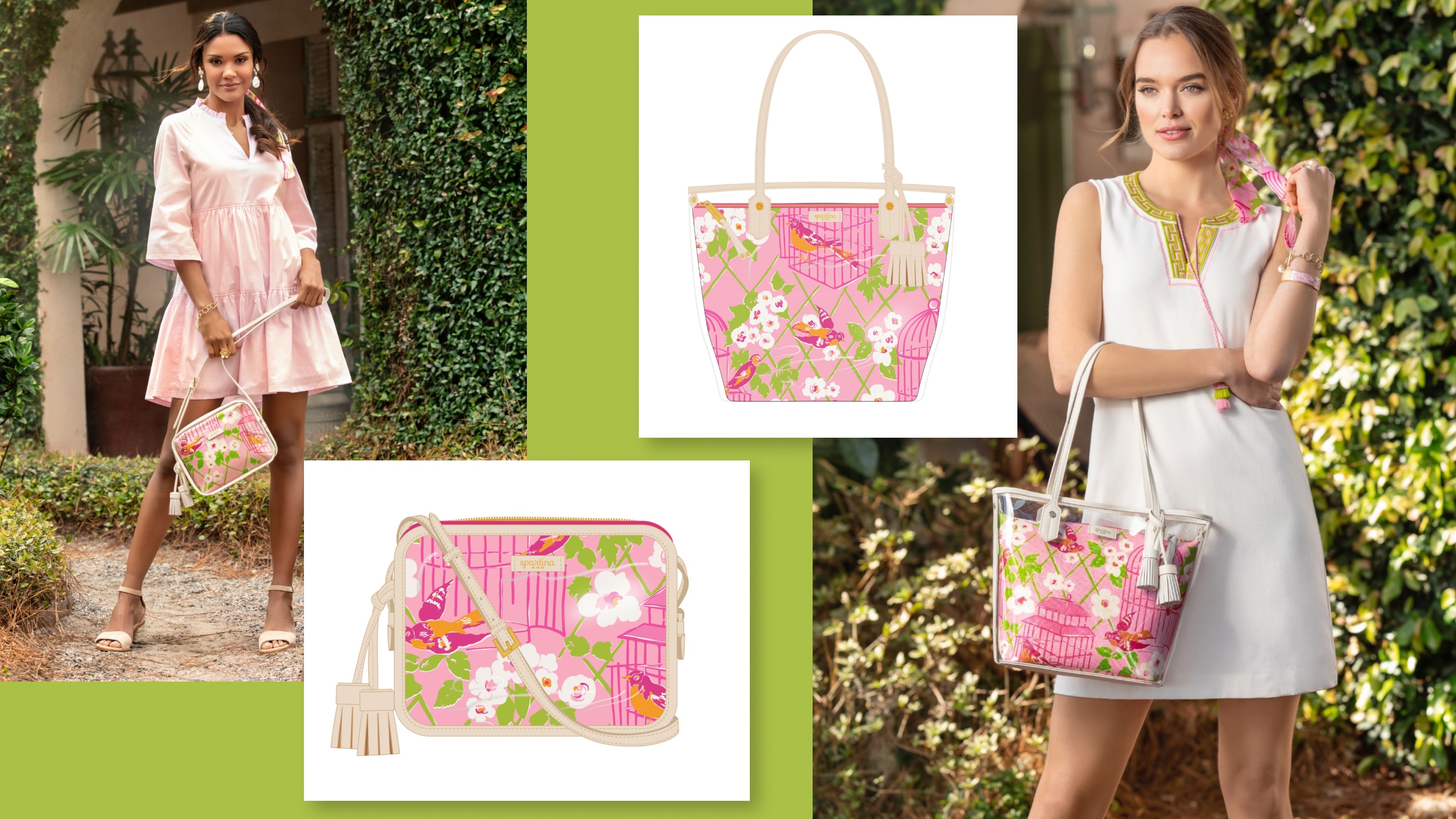
Over fifty product designs reached retail shelves across the United States, spanning tennis, golf, handbags, and women’s accessories.
GYPSEA MERMAID COLLECTION: TOP BLACK FRIDAY SELLER
The collection art directed for Black Friday became one of the brand’s strongest seasonal performers, demonstrating the commercial value of a coherent, well-executed creative direction.
TWO SPRING 2020 HANDBAGS: TOP SEASONAL PRODUCTS
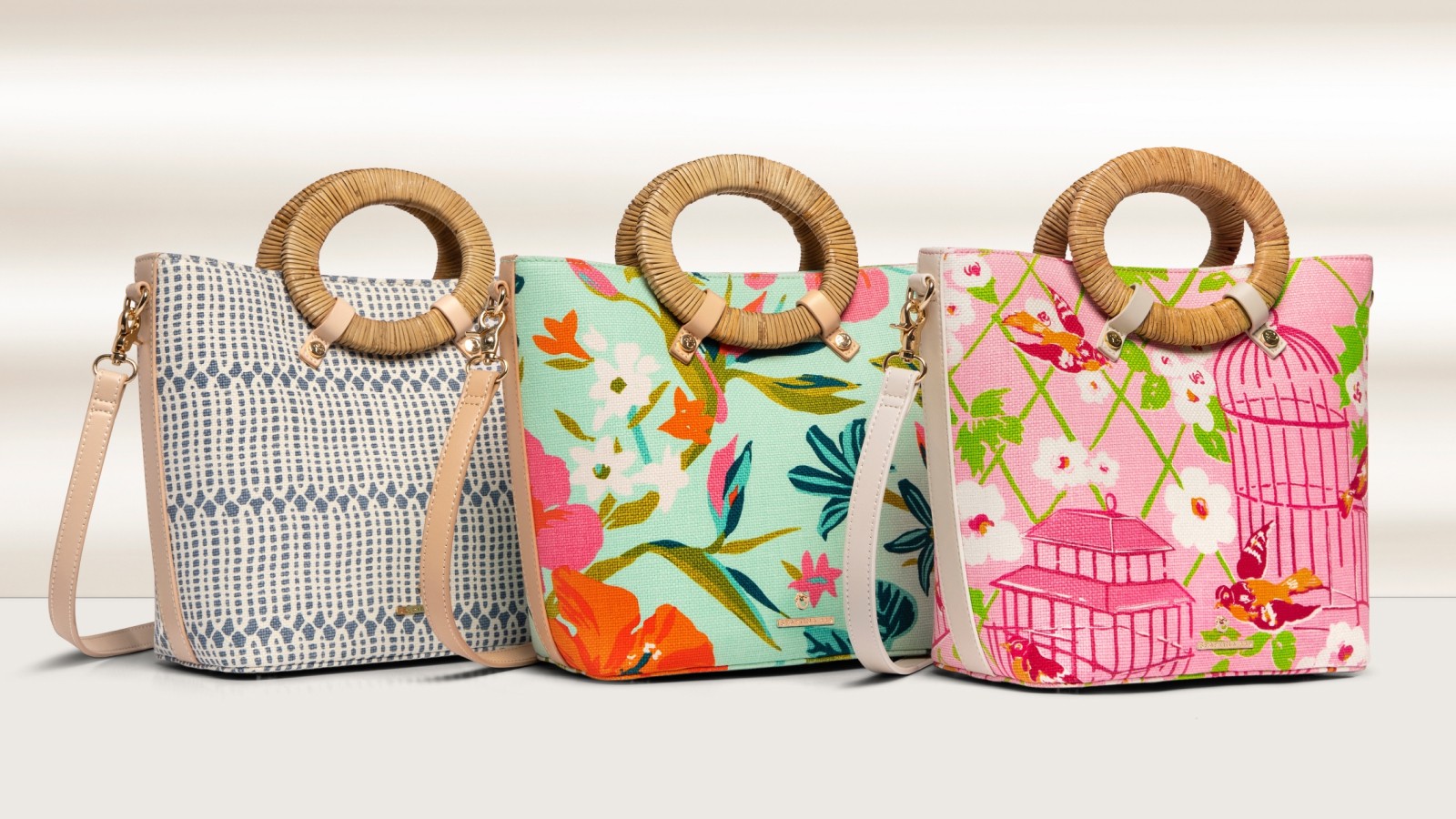
Two handbag designs from the Spring 2020 range became the top-grossing products of the season, a direct outcome of aligning trend research, customer insight, and strong design execution.
The Path From Concept To Shelf Is Never Straight
Working across the full product lifecycle gave a clear view of how many things have to go right for a product to succeed. The most interesting creative idea fails if it doesn’t connect with what the customer actually wants. Sales data and research are not constraints on creativity. They are the brief. Prototypes revealed things no sketch or screen could, and expecting iteration, rather than resisting it, is part of doing the work well. Perhaps most importantly, this work showed that clarity at handoff is itself a design skill. A technical package that a manufacturer can follow without clarification is as much a design output as the product it describes. The further away your production partner is, the more that communication has to do the work your presence can’t.
What I owned on this project
Led concept development for tennis, golf, handbag, and accessories product lines across multiple seasons
Art directed the GypSea Mermaid Collection, a top-selling Black Friday range
Designed two Spring 2020 handbags that became the season’s top-grossing products
Created production-ready technical packages in Adobe Illustrator for overseas manufacturers
Managed prototype review and iteration cycles through to final production approval